Top Risk Factors in ER Waiting Rooms
Emergency room (ER) waiting rooms are some of the most unpredictable environments within a hospital. With a constant flow of patients, visitors, and staff, these spaces must balance accessibility with safety, often under high-pressure conditions.
As concerns around patient safety, hospital violence prevention, and overall hospital public safety continue to rise, healthcare facilities are facing increased pressure to strengthen their approach to emergency department security.
Understanding the most common risk factors in ER waiting rooms is the first step toward reducing them. By identifying where vulnerabilities exist, hospitals can take a more proactive approach to creating safer environments for both patients and staff.
Why ER Waiting Rooms Present Unique Safety Challenges
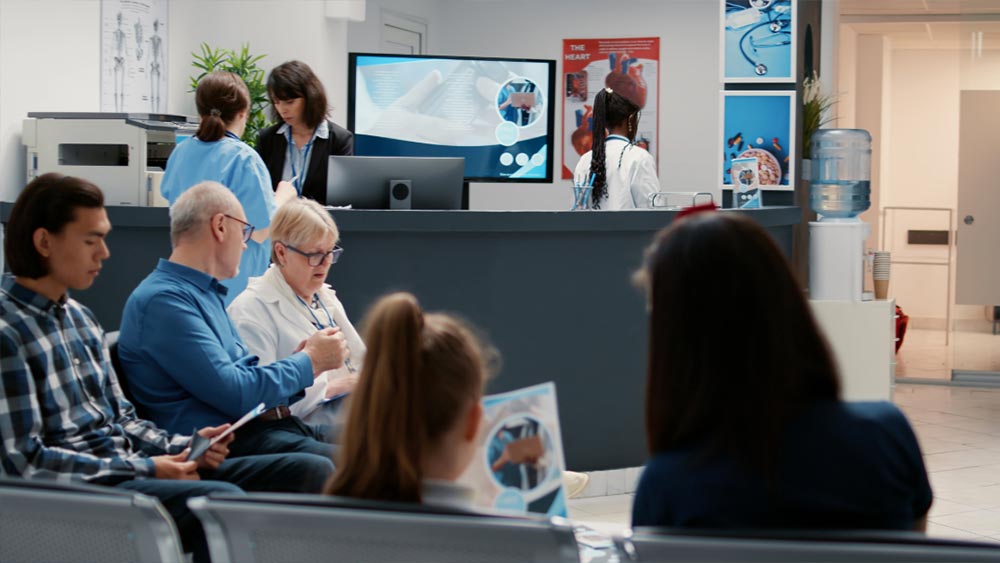
ER waiting rooms are designed to be open and accessible, but that accessibility can also introduce risk. These areas are high-traffic environments with constant turnover, making it difficult to monitor behavior and maintain control.
Patients and visitors often experience stress, fear, or uncertainty, which can heighten emotions and increase the likelihood of conflict. At the same time, staff must focus on delivering care, limiting their ability to oversee waiting areas closely.
These factors make it challenging to enforce consistent security measures and highlight the need for strong emergency department security strategies that support both safety and efficiency.
The Most Common Safety Risks in ER Waiting Rooms
Overcrowding, Long Wait Times, and Emotional Escalation
High patient volumes and limited capacity can quickly lead to overcrowded waiting rooms. As more people enter the space, staff may become stretched thin, making it harder to monitor activity and identify potential risks.
These conditions often result in longer wait times, which can increase frustration, anxiety, and uncertainty among patients and visitors. Over time, these emotions can escalate, leading to verbal conflicts or, in some cases, physical altercations.
This combination of operational strain and emotional escalation creates a challenging environment that directly impacts both staff and patient safety and contributes to broader hospital violence prevention concerns.
Uncontrolled Access and the Risk of Weapons Entering the Facility
ER waiting rooms typically have multiple entry points and are designed for ease of access, but this can make it difficult to control who enters the space. In many facilities, individuals can enter waiting areas with limited or no screening.
Without clearly defined access control measures, it becomes possible for individuals to bring prohibited or dangerous items into the facility. This includes weapons, which represent one of the most serious threats to both patients and healthcare staff.
These vulnerabilities are not always the result of intentional oversight, but rather the challenge of balancing accessibility with security. Still, they present significant risks to hospital public safety and highlight the growing importance of hospital weapons detection as part of a comprehensive safety strategy.
Addressing Risk Factors with a Proactive Safety Approach
To effectively reduce risk in ER waiting rooms, hospitals must shift from reactive responses to proactive safety strategies. This means taking steps to help identify potential threats before incidents occur and implementing systems that help support prevention.
A comprehensive approach to emergency department security combines people, processes, and technology, including:
- Staff training in de-escalation techniques
- Improved layout and visibility within waiting areas
- Controlled access points with defined screening procedures
- The integration of advanced safety technologies and weapons detection systems
By taking a proactive approach, healthcare facilities can better protect patients, visitors, and staff while maintaining efficient operations.
Enhancing Emergency Department Security with Weapons Detection Technology
One way to address access-related risks is by using hospital weapons detection systems. These technologies provide a practical, preventative solution that enhances safety without disrupting patient flow.
Solutions like OPENGATE® are specifically designed for high-traffic environments and offer:
- Non-invasive, high-throughput screening
- Real-time detection of potential threats
- Seamless integration into existing hospital workflows
By incorporating weapons detection technology into entry points, hospitals can reduce the likelihood of dangerous items entering ER waiting rooms while maintaining a welcoming and efficient environment.
Creating Safer ER Environments with CEIA USA
Improving safety in ER waiting rooms is not just about responding to incidents; it’s about preventing them before they happen.
CEIA USA is a trusted partner in advancing hospital public safety, providing innovative solutions that help healthcare facilities strengthen their approach to hospital violence prevention and patient safety.
The OPENGATE® system is purpose-built for environments like ER waiting rooms, offering:
- Efficient and discreet screening
- Reliable performance in high-traffic areas
- A safer, more controlled entry experience that builds trust with both employees and visitors
To learn more about how CEIA USA’s hospital weapons detection solutions can support your facility, explore our technology or contact our team today.